
What a Roy Resident Lookup Covers
Choose the record before choosing the portal. The coverage table keeps a name search tied to a defined question and shows where the public route ends.
| Record | What it can confirm | Where | Access |
|---|---|---|---|
| Property / assessment | Titled owner, parcel, situs and tax-mailing address | Weber Parcel Search | Free; not occupancy proof |
| GIS parcel | Map location and adjacent parcel context | Geo-Gizmo | Free visual map |
| Court case | Party, case number, type, dates, hearings, outcome | Utah Courts Xchange | Public summary; exclusions |
| Marriage | Spouse, license, event date | Weber Clerk / Auditor | 1887 onward; $2/$10 copy levels |
| Birth / death | Event and relationship evidence | Utah Vital Records / FamilySearch | 100/50-year public periods |
| Business / license | Principal, agent, profession, status | Commerce / DOPL | State verification portals |
These sources are complementary. A parcel owner is not automatically the person present. A court party is not automatically the person with the same name. A historical directory entry is not a current record. The right match needs more than one independent detail.
Roy Resident Lookup Name Variants
Start with the spelling you have, but preserve every printed variation. Search surname, first name, middle name or initial, married name, maiden name, hyphenated form, and alternate order. Note which form each custodian uses. Common Weber surnames recur across directories and court records, so a bare name is weak evidence.
Use a small comparison note with the date, address, spouse, age range, occupation, parcel, case type, or business connection returned by each source. A mismatch does not always disprove identity, but it tells you to pause. A match on one shared name alone should never merge two records.
Roy Resident Lookup Property Clues
If the question concerns a Roy address, begin with Weber County Parcel Search. Search by owner, address, or parcel. The resulting card can expose owner, property address, mailing address, parcel number, tax area, current recording reference, prior parcels, plats, and legal description.
Compare the situs and mailing fields. The mailing address may be in another city or may belong to a trust, family member, or other owner contact. It does not prove where a person sleeps or who shares a household. When the goal changes to a whole street, use the address-led Roy street directory.
Roy Resident Lookup Court Results
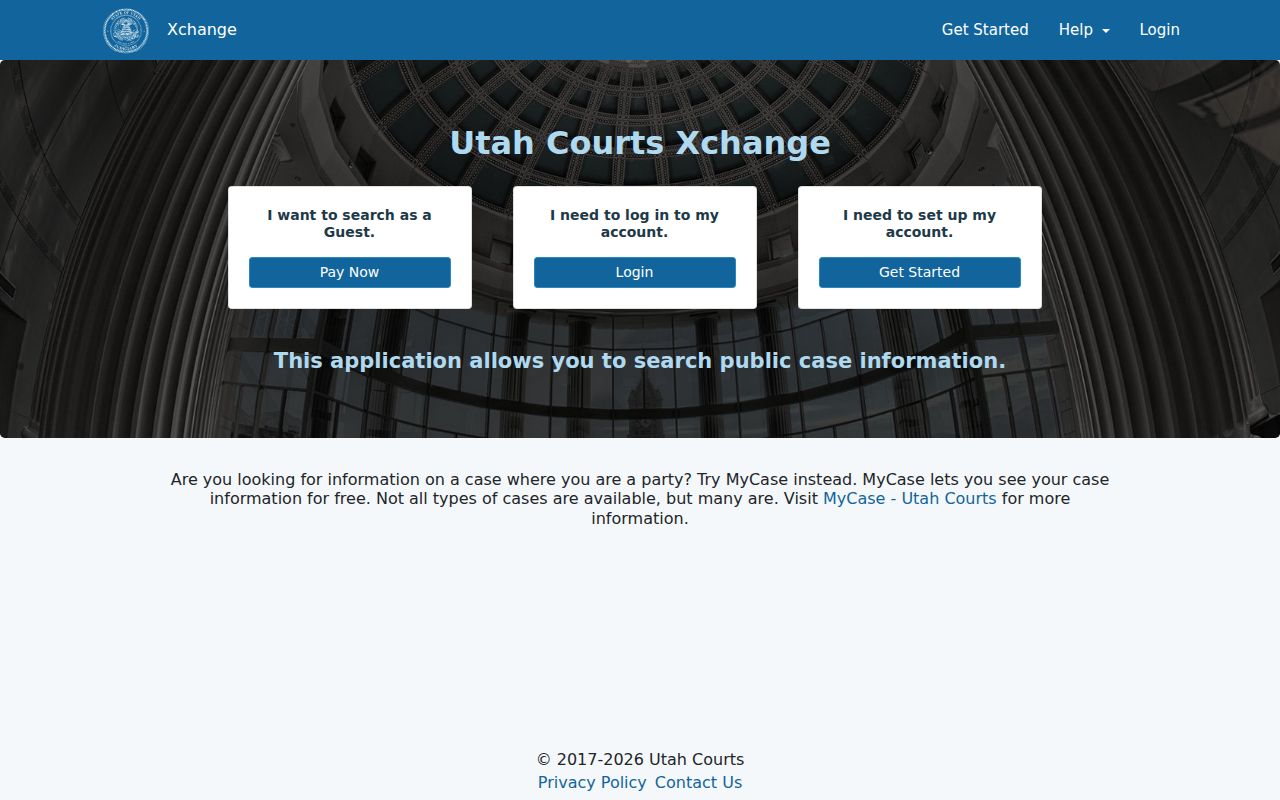
Utah Courts Xchange is the public summary route for Utah district and justice cases, including Roy-related court questions. Its result may show party names, case number, case type, dates, attorneys, hearings, and judgment or outcome information when public. Public electronic documents are subject to the court’s coverage and filing limits.
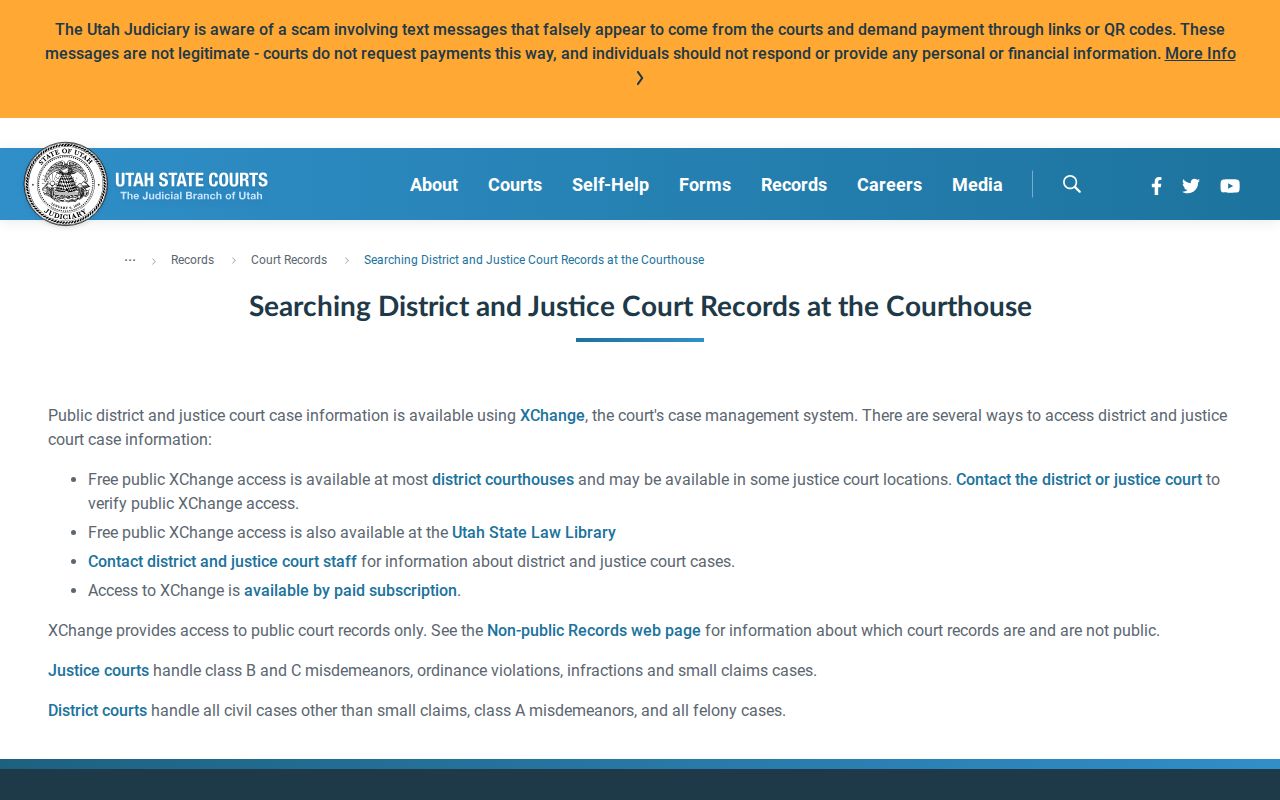
Sealed, expunged, juvenile, and several private family-law categories do not appear. Some documents require payment. Free Xchange terminals are available at most district courthouses and the Utah State Law Library. If the result is thin, ask the clerk about the case file or use the Utah State Archives for older Weber indexes.
Start at the Utah Courts Xchange guest search when a public case summary is the question.
Roy Resident Lookup Vital Records
Weber County marriage data reaches back to 1887. The search uses first name, pre-marriage last name, and year or date range. Data is generally free, a regular copy costs $2, and a certified copy costs $10. The county describes a 75-year public-access rule, so newer records need an eligible request.
Utah Vital Records uses different public periods: birth records after 100 years, death after 50 years, and marriage, divorce, and other vital records after 75 years. Before those periods, a direct, tangible, and legitimate interest is generally required. The Utah Vital Records ordering portal is a request route, not proof that a record is open.
Read the Utah Courts access guide when a court result needs a terminal or clerk follow-up.
Roy Resident Lookup Result Fields
Do not confuse an index with the underlying image or certified copy. Read the result inventory and note what is actually present.
- Docket
- The court’s case record and event history, which may expose only a public summary.
- Index
- A searchable pointer to a record, not necessarily the record image or complete file.
- Certified copy
- A formal copy supplied under the custodian’s rules, different from free index data.
- Party
- A person named in a case, not automatically the person living at a Roy address.
For a professional record, DOPL may show licensee name, city, profession, number, and status. For a business, Commerce can connect a principal or registered agent to an entity. Both can support verification, but neither makes an organization address a private residence.
Roy Resident Lookup State Records
Utah Commerce offers Business Entity Search, Registered Principal Search, DBA, trademark, and UCC/CFS modes. Search by entity or principal name, then inspect status, registered agent, address, filings, or certificate options. DBA materials describe principal and registered-agent search paths, with certificate fees listed by the state.
DOPL supports licensee and profession searches plus a core license number and four-digit identifier. Its guidance warns that a lower license can be expired or superseded while a higher license remains current, so review all results. Use the Commerce hub and DOPL lookup as separate checks.
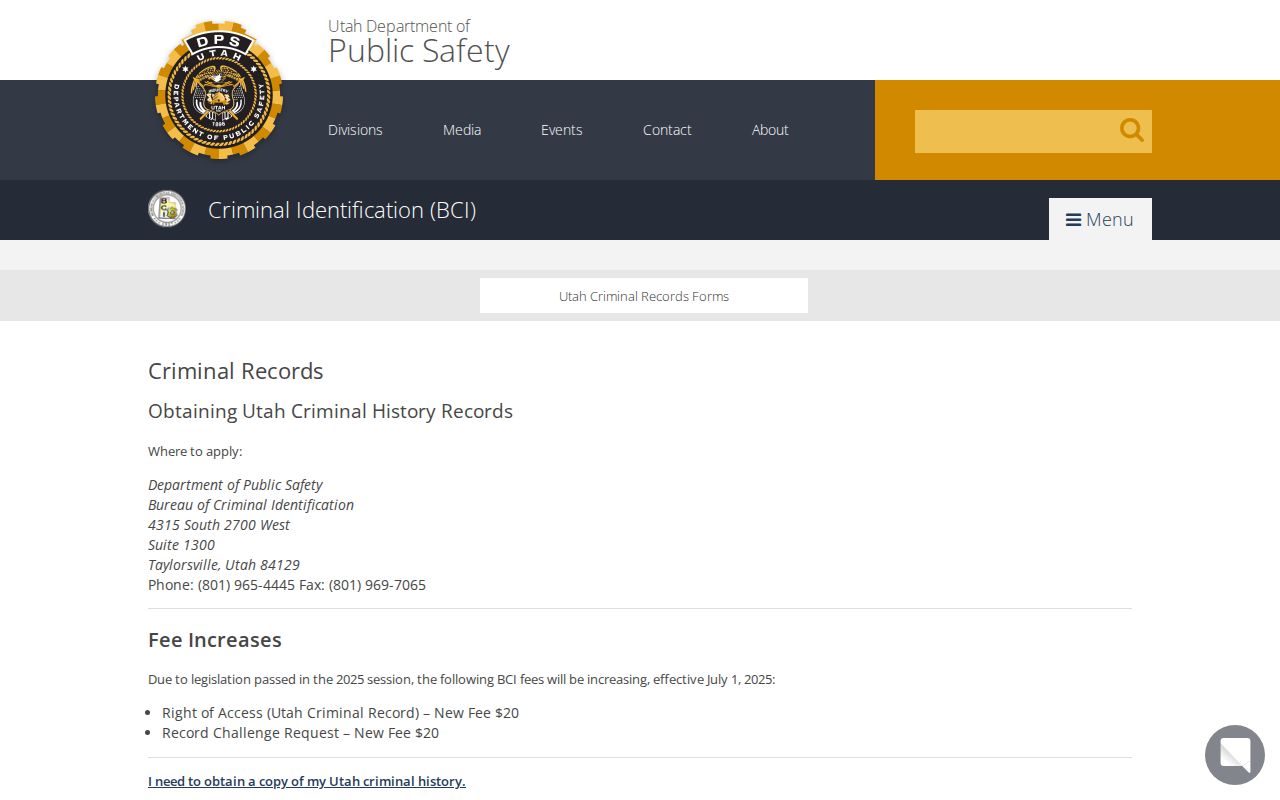
The Utah BCI criminal-record page explains a person’s own access and challenge route.
Roy Resident Lookup Verification
Use a staged verification workflow when the question is whether several records describe one person.
- Write the exact name, known date, and the narrow question you need answered.
- Search Parcel Search or Geo-Gizmo if the known clue is an address, and separate owner from occupant.
- Search Xchange, marriage data, Commerce, DOPL, or the historical directory that fits the date.
- Compare address, age range, spouse, occupation, case type, parcel, or business connection.
- Confirm a material fact with the custodian before relying on it, and stop if the person is protected or the match remains uncertain.
For an heir, combine public probate or court clues with deeds, obituaries, marriage or death evidence. For a former classmate, use directories, yearbooks, newspapers, and later public professional records. For an adoption or birth-parent question, use Utah’s authorized registry or confidential-intermediary route rather than trying to bypass sealed records. The official current program name was not established in the research.
Roy Resident Lookup Privacy Limits
Utah Safe at Home participants use a substitute address and mail-forwarding service through a certified program assistant. Actual home and mailing addresses, city or county, precinct, phone, and unique address information are confidential. At-risk voter designations can also withhold eligible victims, officers, protective-order subjects, armed-forces members, public figures, and co-residents. Voter SSN, ID, email, full birth date, phone, and signature are private.
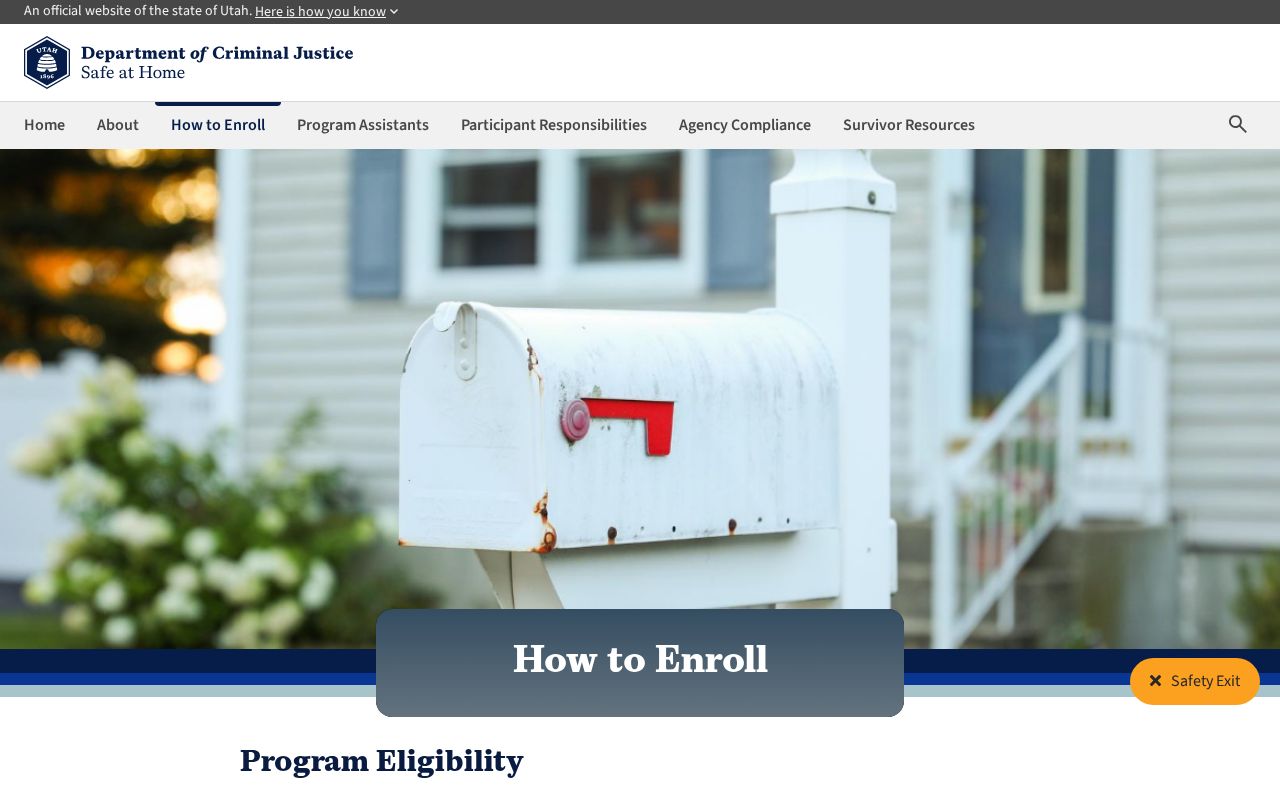
Utah’s public-records law, GRAMA, does not open every record. Sealed and expunged cases, juvenile matters, restricted vital records, protected voters, actual Safe at Home addresses, and DMV information remain outside an ordinary name search. The Safe at Home enrollment guidance explains why a missing address can be a protection, not a search failure.
Read the Utah Safe at Home enrollment page for certified-assistant and eligibility details.
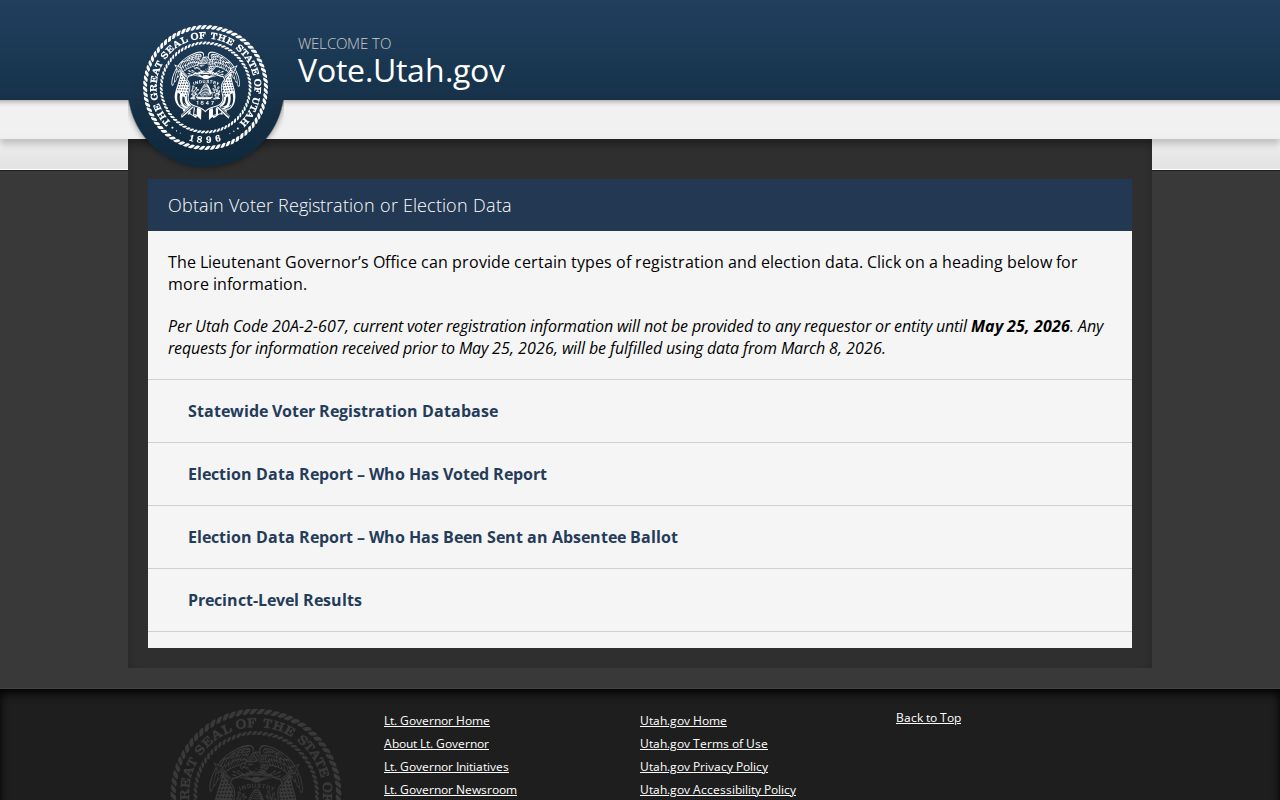
Review the Utah voter-data request page for public fields and at-risk limits.
Roy Resident Lookup Corrections
Send a correction to the office that maintains the field. Ask the Assessor about property or valuation facts, the Recorder/Surveyor about parcel or mailing-address forms, the elections custodian about voter data, the court clerk about docket errors, and Utah vital records about certificate corrections. A GRAMA request goes to the government entity holding the record, not to a general search box.
Lawful use. A Roy resident lookup is for personal, family-history, civic, and safety research. Do not use a name result to stalk, harass, intimidate, or harm any person.
When the task becomes address history, move to the previous-residents search. When it becomes “who else is along the street,” use the street directory or neighbors page. Different questions need different records.